

 Language



Electric vehicles have transformed the driving experience, but they come with a unique vulnerability that many owners overlook. Unlike conventional cars, EVs carry their most critical component—the battery pack—beneath the passenger cabin. This design choice maximizes interior space and range, but it also places the battery in the path of road debris, potholes, and unexpected obstacles. A single hard bump can cause damage that isn't visible until it's too late.
Real-World Risks
The danger is not theoretical. Recent incidents have shown that even a fist-sized rock on the road can lead to battery damage and fire. In one case, a vehicle struck a road obstacle, and within minutes, the battery temperature warning appeared, followed by smoke and flames. Fire investigations confirmed the cause as external impact to the battery pack.
This risk is especially concerning because damage often goes unnoticed. The battery sits behind protective plates, and a scrape or dent may not trigger an immediate warning. By the time symptoms appear—unusual odors, warning lights, or smoke—the situation may already be critical.
What the New Safety Standards Mean
Recognizing this threat, regulators have taken action. New mandatory safety standards for EVs took effect in July 2026, introducing the industry's toughest battery safety requirements. Under the new rules, battery packs must survive a 35 km/h underbody impact test without leaking, catching fire, or exploding. This marks a significant upgrade from previous standards, which only required a five-minute warning before fire.
These standards apply to all newly certified vehicle models as of July 2026, with existing models given until July 2027 to comply.
Protecting Your EV
While vehicle manufacturers are building stronger underbody protection—some designs now integrate cooling and crash structures to improve energy absorption by over 30% —drivers can also take simple steps to reduce risk:
-
Slow down on rough or unpaved roads
-
Avoid mounting curbs or driving over large obstacles
-
Have the underbody inspected during regular service visits
-
If you hit something hard, have your vehicle checked promptly
Your EV's battery is its heart. Protecting it from the road below is one of the smartest things you can do as an owner. A few seconds of caution can save thousands in repair costs—and keep you safe on the road.
-
 Jan 30, 2026CRUKING exported one BLUETRIP E7 New Energy SUV to Sweden.On July 31, 2025, CRUKING exported one EURASIAEV E7 New Energy SUV to Sweden.The main specifications of EURASIAEV E7 New Energy SUV:Rated power: 160 kWBattery capacity: 68 kWhVehicle size: 4720×1885×1710 mmDriving range (WLTP): 480 kmCharging time: Fast charge 35 min (20%–80%)Drive type: Front-wheel driveTotal vehicle weight: 1760 KGColor: Midnight Black
 -
Jan 27, 2026CRUKING exported one EURASIAEV EX5 electric SUV to NorwayOn July 31, 2025, CRUKING exported one EURASIAEV EX5 electric SUV to Norway.The main specifications of EURASIAEV EX5 electric SUV:Rated power: 150 kWBattery capacity: 60 kWhVehicle size: 4450×1830×1680 mmDriving range (NEDC): 420 kmCharging time: Fast charge 30 min (30%–80%)Drive type: Front-wheel driveTotal vehicle weight: 1580 KGColor: Pearl White
-
Jan 27, 2026CRUKING exported one EURASIAEV X7 electric SUV to the United Arab EmiratesOn July 31, 2025, CRUKING exported one EURASIAEV X7 electric SUV to the United Arab Emirates.The main specifications of EURASIAEV X7 electric SUV:Rated power: 180 kWBattery capacity: 72 kWhVehicle size: 4680×1900×1705 mmDriving range (WLTP): 505 kmCharging time: Fast charge 28 min (30%–80%)Drive type: All-wheel drive (AWD)Total vehicle weight: 1780 KGColor: Sky Blue

-
Jan 27, 2026CRUKING exported one EURASIAEV E7 New Energy SUV to Sweden.On July 31, 2025, CRUKING exported one EURASIAEV E7 New Energy SUV to Sweden. The main specifications of EURASIAEV E7 New Energy SUV:Rated power: 160 kWBattery capacity: 68 kWhVehicle size: 4720×1885×1710 mmDriving range (WLTP): 480 kmCharging time: Fast charge 35 min (20%–80%)Drive type: Front-wheel driveTotal vehicle weight: 1760 KGColor: Midnight Black
-
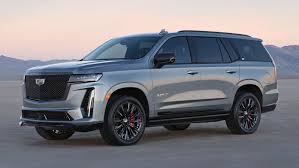 Jan 27, 2026CRUKING exported one EURASIAEV EX5 electric SUV to NorwayOn July 31, 2025, CRUKING exported one EURASIAEV EX5 electric SUV to Norway.The main specifications of EURASIAEV EX5 electric SUV:Rated power: 150 kWBattery capacity: 60 kWhVehicle size: 4450×1830×1680 mmDriving range (NEDC): 420 kmCharging time: Fast charge 30 min (30%–80%)Drive type: Front-wheel driveTotal vehicle weight: 1580 KGColor: Pearl White
 -
Jan 27, 2026CRUKING exported one EURASIAEV X7 electric SUV to the United Arab EmiratesOn July 31, 2025, CRUKING exported one EURASIAEV X7 electric SUV to the United Arab Emirates.The main specifications of EURASIAEV X7 electric SUV:Rated power: 180 kWBattery capacity: 72 kWhVehicle size: 4680×1900×1705 mmDriving range (WLTP): 505 kmCharging time: Fast charge 28 min (30%–80%)Drive type: All-wheel drive (AWD)Total vehicle weight: 1780 KGColor: Sky Blue
-
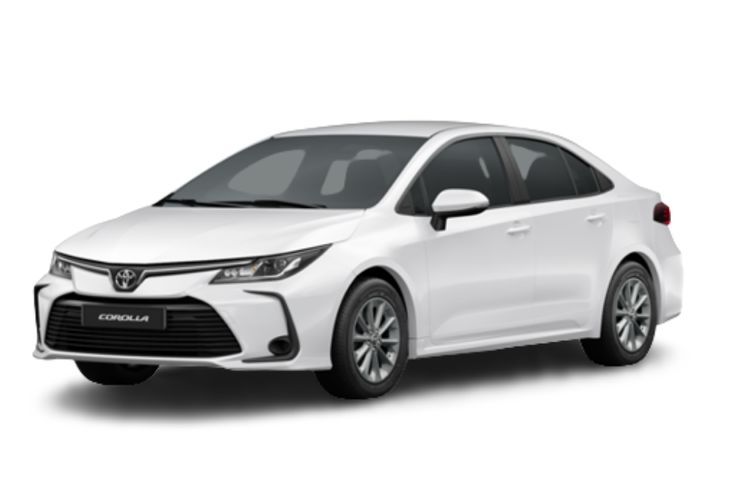 Jan 27, 2026Turning Service into PartnershipIn today’s business world, strong customer relationships are the cornerstone of lasting success. Beyond transactions, they create trust, loyalty, and shared growth. Key principles for building effective customer relationships include: Understanding Needs – Knowing customer challenges and goals allows tailored solutions that deliver real value. Responsive Communication – Fast, clear, and proactive interaction reassures customers that their concerns are prioritized. Reliability and Consistency – Consistent product quality and dependable support turn customers into long-term partners. Proactive Support – Anticipating issues and providing timely guidance reduces downtime and strengthens trust. Collaborative Growth – Treating customers as partners opens opportunities for innovation and mutual success. Strong customer relationships go beyond satisfaction—they become a strategic advantage. By investing in trust, responsiveness, and shared success, companies ensure not only retention but also new opportunities and sustainable growth.
 -
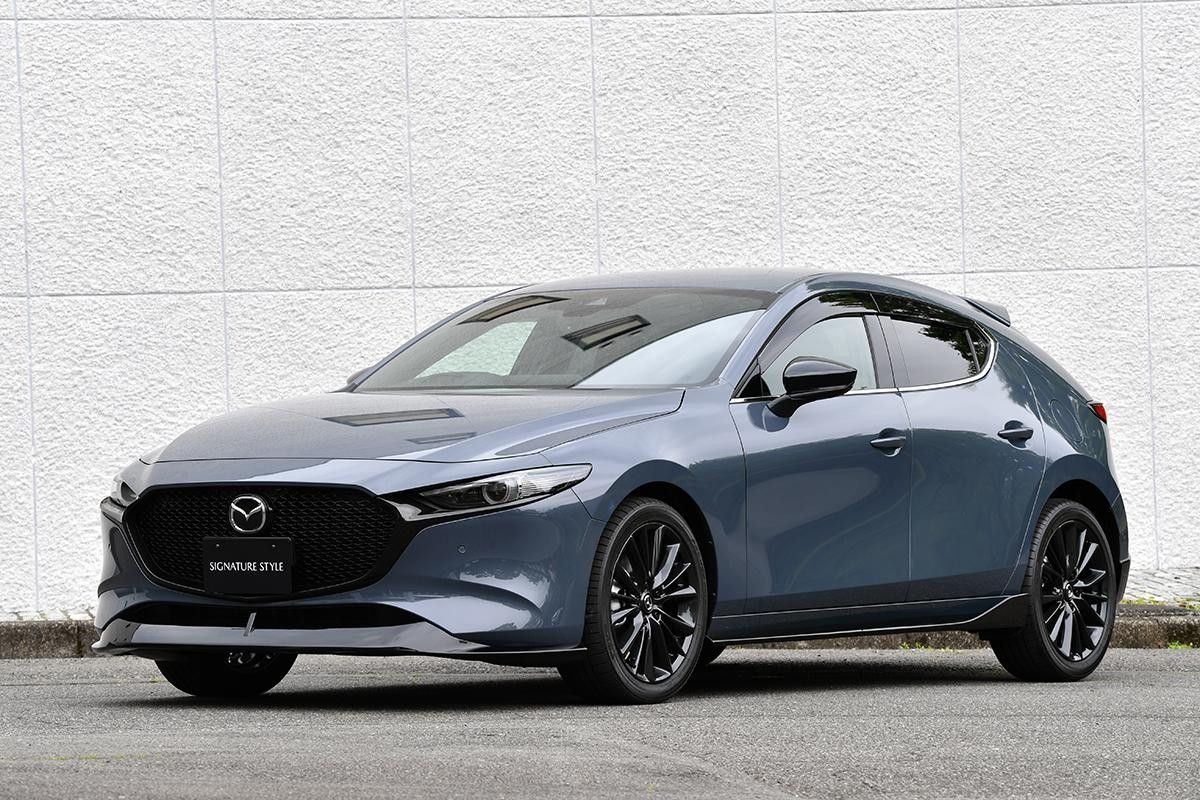 Jan 27, 2026The Heart of Sustainable SuccessIn today’s fast-paced business landscape, products and services are only part of the equation—strong customer relationships make the difference between short-term transactions and long-term partnerships. Companies that prioritize trust, transparency, and consistent engagement create loyal clients who return time and again. Key aspects of successful customer relationship management include: Active Listening – Understanding customer goals and challenges allows companies to provide solutions that truly meet their needs. Tailored Support – Personalized guidance and timely responses show customers they are valued beyond mere transactions. Proactive Collaboration – Anticipating potential issues and offering preventive solutions strengthens confidence and reliability. Continuous Engagement – Regular updates, training, and consultation help customers maximize the value of products and services. Shared Growth Vision – Viewing customers as partners fosters mutual success and opens opportunities for joint innovation. In essence, customer relationships are not just about satisfaction—they are about building trust, loyalty, and shared success. Companies that invest in nurturing these relationships create a strong foundation for long-term growth, resilience, and reputation.

Eurasia Vehicle Limited
 +86-731-8512-4438
 +86-731-8512-4438
 +86-173-6366-2671
+86-150-8099-7704
 export@eurasiaev.com
 Suite 35023, Tower T3, CFC Fuxing World Financial Center, No. 303, Section 1, Furong Middle Road, Kaifu District, Changsha, Hunan Province, China