

 Language



As the global new energy vehicle (NEV) market steps into 2025, leading automakers are accelerating the development of next-generation electric platforms, aiming to deliver longer range, higher safety, and smarter driving experiences. Industry analysts predict that the integration of high-energy-density batteries, centralized electronic architectures, and advanced driver-assistance systems will reshape the competitive landscape in the coming years.
Next-Generation EV Platforms Become Industry Focus
Major manufacturers in China, Europe, and the United States are investing heavily in new EV platforms designed to support longer ranges and faster charging. These platforms adopt lighter vehicle structures, optimized aerodynamics, and more efficient power electronics, laying the foundation for improved performance and cost reduction.
High-Energy-Density Batteries Move Toward Commercialization
Solid-state batteries, semi-solid batteries, and high-silicon-anode technologies are transitioning from laboratory research to large-scale pilot production. These advancements are expected to increase EV range by 20%–40% while significantly enhancing safety. Several global battery suppliers have announced mass-production timelines starting in late 2025.
Centralized Electronic Architecture Improves Intelligence Levels
Instead of multiple decentralized control units, new EVs are adopting centralized computing platforms, enabling faster data processing and more efficient integration of software features. This upgrade paves the way for enhanced assisted-driving capabilities, over-the-air (OTA) updates, and smarter energy consumption management.
Software-Defined Vehicles (SDV) Accelerate Transformation
By shifting from hardware-driven to software-driven development, automakers can offer flexible feature upgrades, subscription services, and personalized user experiences. SDV development is expected to become a core competitiveness factor in the EV industry.
EURASIAEV: Advancing With the Industry Transition
In this fast-evolving landscape, EURASIAEV continues to strengthen its EV technology architecture, invest in intelligent driving integration, and collaborate with global battery suppliers to adopt next-generation energy solutions. With ongoing improvements in range, safety, and digital experience, EURASIAEV aims to deliver smarter, greener mobility choices to markets worldwide.
The global shift toward advanced EV platforms marks a key milestone in the electrification era. As technologies mature and adoption expands, the new energy vehicle industry is entering one of its most dynamic and innovative phases to date.
-
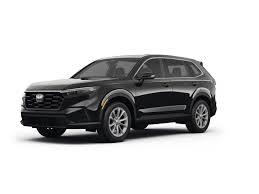
 Jan 30, 2026CRUKING exported one BLUETRIP E7 New Energy SUV to Sweden.On July 31, 2025, CRUKING exported one EURASIAEV E7 New Energy SUV to Sweden.The main specifications of EURASIAEV E7 New Energy SUV:Rated power: 160 kWBattery capacity: 68 kWhVehicle size: 4720×1885×1710 mmDriving range (WLTP): 480 kmCharging time: Fast charge 35 min (20%–80%)Drive type: Front-wheel driveTotal vehicle weight: 1760 KGColor: Midnight Black
 -
Jan 27, 2026CRUKING exported one EURASIAEV EX5 electric SUV to NorwayOn July 31, 2025, CRUKING exported one EURASIAEV EX5 electric SUV to Norway.The main specifications of EURASIAEV EX5 electric SUV:Rated power: 150 kWBattery capacity: 60 kWhVehicle size: 4450×1830×1680 mmDriving range (NEDC): 420 kmCharging time: Fast charge 30 min (30%–80%)Drive type: Front-wheel driveTotal vehicle weight: 1580 KGColor: Pearl White
-
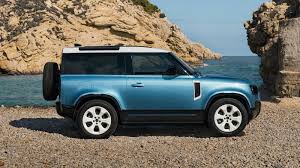
Jan 27, 2026CRUKING exported one EURASIAEV X7 electric SUV to the United Arab EmiratesOn July 31, 2025, CRUKING exported one EURASIAEV X7 electric SUV to the United Arab Emirates.The main specifications of EURASIAEV X7 electric SUV:Rated power: 180 kWBattery capacity: 72 kWhVehicle size: 4680×1900×1705 mmDriving range (WLTP): 505 kmCharging time: Fast charge 28 min (30%–80%)Drive type: All-wheel drive (AWD)Total vehicle weight: 1780 KGColor: Sky Blue

-
Jan 27, 2026CRUKING exported one EURASIAEV E7 New Energy SUV to Sweden.On July 31, 2025, CRUKING exported one EURASIAEV E7 New Energy SUV to Sweden. The main specifications of EURASIAEV E7 New Energy SUV:Rated power: 160 kWBattery capacity: 68 kWhVehicle size: 4720×1885×1710 mmDriving range (WLTP): 480 kmCharging time: Fast charge 35 min (20%–80%)Drive type: Front-wheel driveTotal vehicle weight: 1760 KGColor: Midnight Black
-
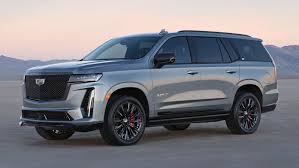 Jan 27, 2026CRUKING exported one EURASIAEV EX5 electric SUV to NorwayOn July 31, 2025, CRUKING exported one EURASIAEV EX5 electric SUV to Norway.The main specifications of EURASIAEV EX5 electric SUV:Rated power: 150 kWBattery capacity: 60 kWhVehicle size: 4450×1830×1680 mmDriving range (NEDC): 420 kmCharging time: Fast charge 30 min (30%–80%)Drive type: Front-wheel driveTotal vehicle weight: 1580 KGColor: Pearl White
 -
Jan 27, 2026CRUKING exported one EURASIAEV X7 electric SUV to the United Arab EmiratesOn July 31, 2025, CRUKING exported one EURASIAEV X7 electric SUV to the United Arab Emirates.The main specifications of EURASIAEV X7 electric SUV:Rated power: 180 kWBattery capacity: 72 kWhVehicle size: 4680×1900×1705 mmDriving range (WLTP): 505 kmCharging time: Fast charge 28 min (30%–80%)Drive type: All-wheel drive (AWD)Total vehicle weight: 1780 KGColor: Sky Blue
-
 Jan 27, 2026Turning Service into PartnershipIn today’s business world, strong customer relationships are the cornerstone of lasting success. Beyond transactions, they create trust, loyalty, and shared growth. Key principles for building effective customer relationships include: Understanding Needs – Knowing customer challenges and goals allows tailored solutions that deliver real value. Responsive Communication – Fast, clear, and proactive interaction reassures customers that their concerns are prioritized. Reliability and Consistency – Consistent product quality and dependable support turn customers into long-term partners. Proactive Support – Anticipating issues and providing timely guidance reduces downtime and strengthens trust. Collaborative Growth – Treating customers as partners opens opportunities for innovation and mutual success. Strong customer relationships go beyond satisfaction—they become a strategic advantage. By investing in trust, responsiveness, and shared success, companies ensure not only retention but also new opportunities and sustainable growth.
 -
 Jan 27, 2026The Heart of Sustainable SuccessIn today’s fast-paced business landscape, products and services are only part of the equation—strong customer relationships make the difference between short-term transactions and long-term partnerships. Companies that prioritize trust, transparency, and consistent engagement create loyal clients who return time and again. Key aspects of successful customer relationship management include: Active Listening – Understanding customer goals and challenges allows companies to provide solutions that truly meet their needs. Tailored Support – Personalized guidance and timely responses show customers they are valued beyond mere transactions. Proactive Collaboration – Anticipating potential issues and offering preventive solutions strengthens confidence and reliability. Continuous Engagement – Regular updates, training, and consultation help customers maximize the value of products and services. Shared Growth Vision – Viewing customers as partners fosters mutual success and opens opportunities for joint innovation. In essence, customer relationships are not just about satisfaction—they are about building trust, loyalty, and shared success. Companies that invest in nurturing these relationships create a strong foundation for long-term growth, resilience, and reputation.

Eurasia Vehicle Limited
 +86-0731-85124438
 +86-0731-85124438
 +86-13787241090
 export@eurasiaev.com
 Room 35022, Fuxing Times Financial Center T3, Dongfeng Road Street, Kaifu District, Changsha, Hunan, China