

 Language



As global markets accelerate toward electrification, new energy vehicles (NEVs) have become the preferred choice for both personal transportation and commercial fleets. With the rising popularity of electric SUVs, sedans, MPVs, and urban mobility vehicles, users now place higher expectations on range stability, charging convenience, and long-term durability.
However, after several years of operation, some vehicle owners report issues such as slower charging speeds, shortened driving range, or inconsistent charger performance. These problems often stem from aging batteries, improper charging habits, or the selection of unsuitable replacement components.
Technical experts at EURASIAEV point out that scientific maintenance and correct component selection are essential for ensuring an EV’s long-term reliability.
Why Proper Battery Management Matters
The power battery plays a decisive role in vehicle safety, performance output, and driving experience. To maintain optimal performance, EURASIAEV recommends focusing on the following core management principles:
1. Select Batteries That Match Vehicle Requirements
Battery voltage, capacity, interface standard, and cooling design must fully match the vehicle model. Incorrect matching may cause reduced range or even safety risks.
2. Evaluate Real-World Usage Scenarios
Frequent highway driving, long-distance commuting, or cold-climate usage all require different battery performance characteristics.
3. Choose Trustworthy Battery Manufacturers
High-quality battery brands ensure consistent energy delivery, slower degradation, and safer long-term operation.
4. Maintain Healthy Charging Habits
Avoid long-term storage at 0% or 100%, minimize exposure to extreme temperatures, and charge regularly to extend battery lifespan.
Selecting the Right Charger for Safe & Efficient Charging
The charger is an essential part of the EV energy ecosystem. Whether using a home charging pile or portable charger, the selection of compatible and safe charging equipment is critical.
1. Ensure Compatibility With Vehicle Charging Protocols
Choose chargers that support the correct standard(e.g., CCS2 / GB/T / Type 2)to ensure safe and efficient charging.
2. Pay Attention to Protection Features
A reliable charger must include overheating protection, overload protection, and stable voltage output to prevent battery damage.
3. Consider Installation Environment
Ensure the charging area is moisture-proof, well-ventilated, and compliant with electrical safety standards.
4. Focus on Cable Quality and Length
The charging cable should be durable, flexible, and long enough to accommodate daily parking positions.
Scientific Management Ensures Long-Term Reliability
Regular battery inspections, proper charger maintenance, and timely replacement of aged components can significantly reduce the likelihood of unexpected failures. Meanwhile, scientific charging practices help stabilize range performance and maintain long-term vehicle efficiency.
Supporting the Transition to Green Mobility
The rapid development of new energy technology is accelerating the transition toward a cleaner and smarter transportation ecosystem. For both individuals and enterprises, maintaining battery health and selecting the right charging equipment are essential steps in achieving low-carbon, efficient, and reliable mobility.
As a forward-looking NEV manufacturer, EURASIAEV is dedicated to offering innovative products, professional technical support, and refined energy management solutions—empowering users worldwide to enjoy safer, smarter, and greener driving experiences.
-
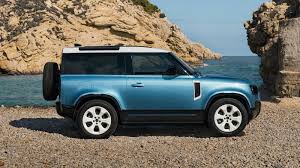 Jan 30, 2026CRUKING exported one BLUETRIP E7 New Energy SUV to Sweden.On July 31, 2025, CRUKING exported one EURASIAEV E7 New Energy SUV to Sweden.The main specifications of EURASIAEV E7 New Energy SUV:Rated power: 160 kWBattery capacity: 68 kWhVehicle size: 4720×1885×1710 mmDriving range (WLTP): 480 kmCharging time: Fast charge 35 min (20%–80%)Drive type: Front-wheel driveTotal vehicle weight: 1760 KGColor: Midnight Black
 -
Jan 27, 2026CRUKING exported one EURASIAEV EX5 electric SUV to NorwayOn July 31, 2025, CRUKING exported one EURASIAEV EX5 electric SUV to Norway.The main specifications of EURASIAEV EX5 electric SUV:Rated power: 150 kWBattery capacity: 60 kWhVehicle size: 4450×1830×1680 mmDriving range (NEDC): 420 kmCharging time: Fast charge 30 min (30%–80%)Drive type: Front-wheel driveTotal vehicle weight: 1580 KGColor: Pearl White
-
Jan 27, 2026CRUKING exported one EURASIAEV X7 electric SUV to the United Arab EmiratesOn July 31, 2025, CRUKING exported one EURASIAEV X7 electric SUV to the United Arab Emirates.The main specifications of EURASIAEV X7 electric SUV:Rated power: 180 kWBattery capacity: 72 kWhVehicle size: 4680×1900×1705 mmDriving range (WLTP): 505 kmCharging time: Fast charge 28 min (30%–80%)Drive type: All-wheel drive (AWD)Total vehicle weight: 1780 KGColor: Sky Blue

-
Jan 27, 2026CRUKING exported one EURASIAEV E7 New Energy SUV to Sweden.On July 31, 2025, CRUKING exported one EURASIAEV E7 New Energy SUV to Sweden. The main specifications of EURASIAEV E7 New Energy SUV:Rated power: 160 kWBattery capacity: 68 kWhVehicle size: 4720×1885×1710 mmDriving range (WLTP): 480 kmCharging time: Fast charge 35 min (20%–80%)Drive type: Front-wheel driveTotal vehicle weight: 1760 KGColor: Midnight Black
-
Jan 27, 2026CRUKING exported one EURASIAEV EX5 electric SUV to NorwayOn July 31, 2025, CRUKING exported one EURASIAEV EX5 electric SUV to Norway.The main specifications of EURASIAEV EX5 electric SUV:Rated power: 150 kWBattery capacity: 60 kWhVehicle size: 4450×1830×1680 mmDriving range (NEDC): 420 kmCharging time: Fast charge 30 min (30%–80%)Drive type: Front-wheel driveTotal vehicle weight: 1580 KGColor: Pearl White
-
Jan 27, 2026CRUKING exported one EURASIAEV X7 electric SUV to the United Arab EmiratesOn July 31, 2025, CRUKING exported one EURASIAEV X7 electric SUV to the United Arab Emirates.The main specifications of EURASIAEV X7 electric SUV:Rated power: 180 kWBattery capacity: 72 kWhVehicle size: 4680×1900×1705 mmDriving range (WLTP): 505 kmCharging time: Fast charge 28 min (30%–80%)Drive type: All-wheel drive (AWD)Total vehicle weight: 1780 KGColor: Sky Blue
-
 Jan 27, 2026Turning Service into PartnershipIn today’s business world, strong customer relationships are the cornerstone of lasting success. Beyond transactions, they create trust, loyalty, and shared growth. Key principles for building effective customer relationships include: Understanding Needs – Knowing customer challenges and goals allows tailored solutions that deliver real value. Responsive Communication – Fast, clear, and proactive interaction reassures customers that their concerns are prioritized. Reliability and Consistency – Consistent product quality and dependable support turn customers into long-term partners. Proactive Support – Anticipating issues and providing timely guidance reduces downtime and strengthens trust. Collaborative Growth – Treating customers as partners opens opportunities for innovation and mutual success. Strong customer relationships go beyond satisfaction—they become a strategic advantage. By investing in trust, responsiveness, and shared success, companies ensure not only retention but also new opportunities and sustainable growth.
 -
 Jan 27, 2026The Heart of Sustainable SuccessIn today’s fast-paced business landscape, products and services are only part of the equation—strong customer relationships make the difference between short-term transactions and long-term partnerships. Companies that prioritize trust, transparency, and consistent engagement create loyal clients who return time and again. Key aspects of successful customer relationship management include: Active Listening – Understanding customer goals and challenges allows companies to provide solutions that truly meet their needs. Tailored Support – Personalized guidance and timely responses show customers they are valued beyond mere transactions. Proactive Collaboration – Anticipating potential issues and offering preventive solutions strengthens confidence and reliability. Continuous Engagement – Regular updates, training, and consultation help customers maximize the value of products and services. Shared Growth Vision – Viewing customers as partners fosters mutual success and opens opportunities for joint innovation. In essence, customer relationships are not just about satisfaction—they are about building trust, loyalty, and shared success. Companies that invest in nurturing these relationships create a strong foundation for long-term growth, resilience, and reputation.

Eurasia Vehicle Limited
 +86-731-8512-4438
 +86-731-8512-4438
 +86-173-6366-2671
+86-150-8099-7704
 export@eurasiaev.com
 Suite 35023, Tower T3, CFC Fuxing World Financial Center, No. 303, Section 1, Furong Middle Road, Kaifu District, Changsha, Hunan Province, China